In the early days of Web3, the wallet was simple, a private-key vault for signing transactions and holding tokens. In the Post Web, that model no longer fits. The wallet now sits at the core of the user experience. It has evolved into a living interface that manages your identity, permissions, resources, and even your autonomous AI agents.
As outlined in Chapter 2 of The Post Web Thesis, the wallet becomes the control center of the Agentic Web, the primary coordination hub where humans and intelligent systems converge.
From Keys to Personhood
“Wallets are becoming the interface for digital personhood—anchoring identity, reputation, and agency in one verifiable system.” — Chapter 2, The Post Web Thesis
Early wallets like MetaMask or Ledger were about cryptographic custody: own your keys, own your crypto.
Now, identity and composability take centre stage. Wallets are becoming self-sovereign identity frameworks, able to:
- Prove who you are without exposing unnecessary data
- Store verifiable credentials and privacy-preserving attestations
- Authenticate both humans and AI agents
Your wallet is no longer a vault, it’s you, in digital form: an anchor for personhood, ownership, and trust.
Exhibit 18: Vector Considerations Deciding if an AI Agent Transaction Needs to Interact DLT
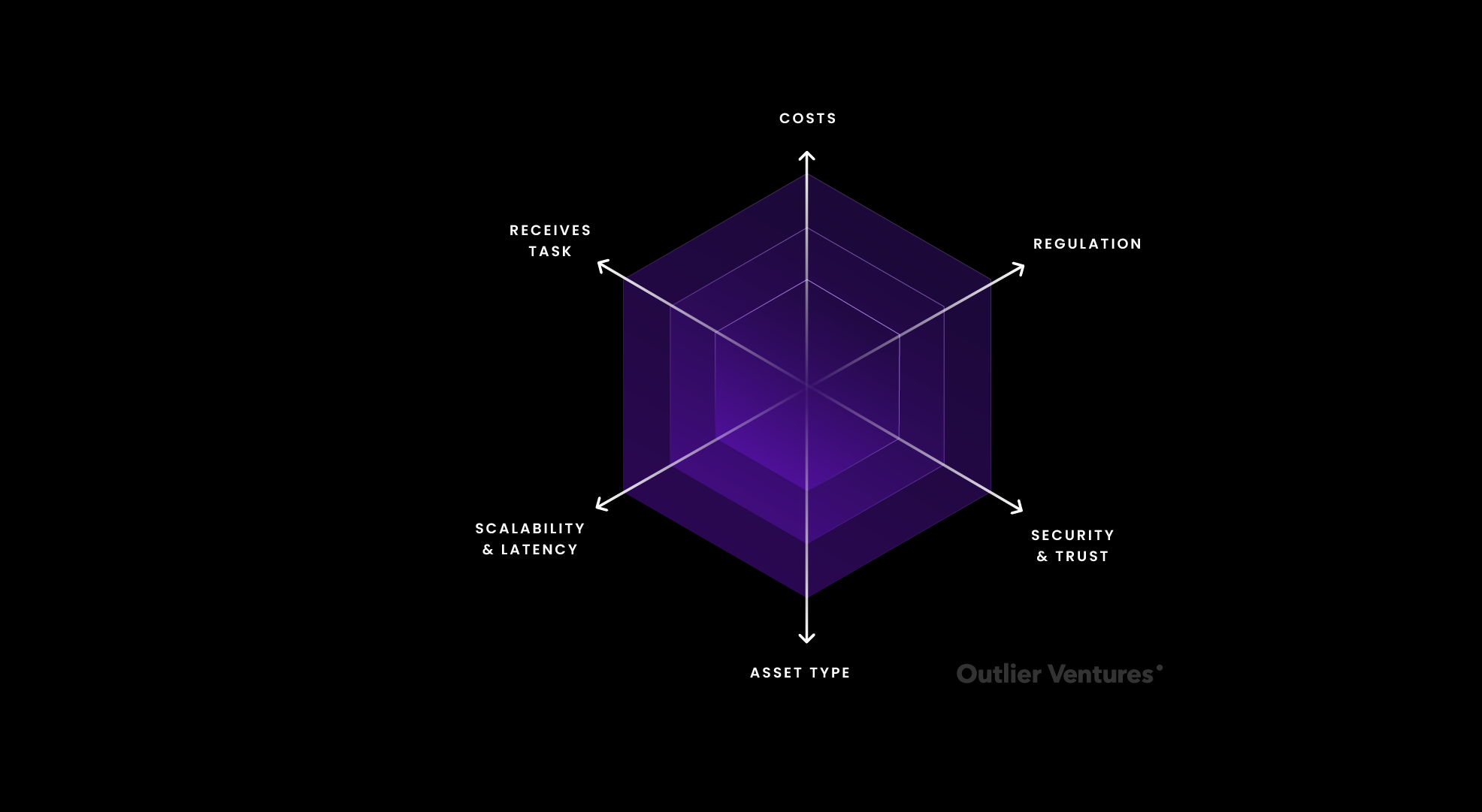
(Exhibit 18, p. 64 “Vector Considerations Deciding if an AI Agent Transaction Needs to Interact DLT”)
The Wallet as a Hub for Resource Management
Exhibit 19: The Wallet as the Post Web Interface
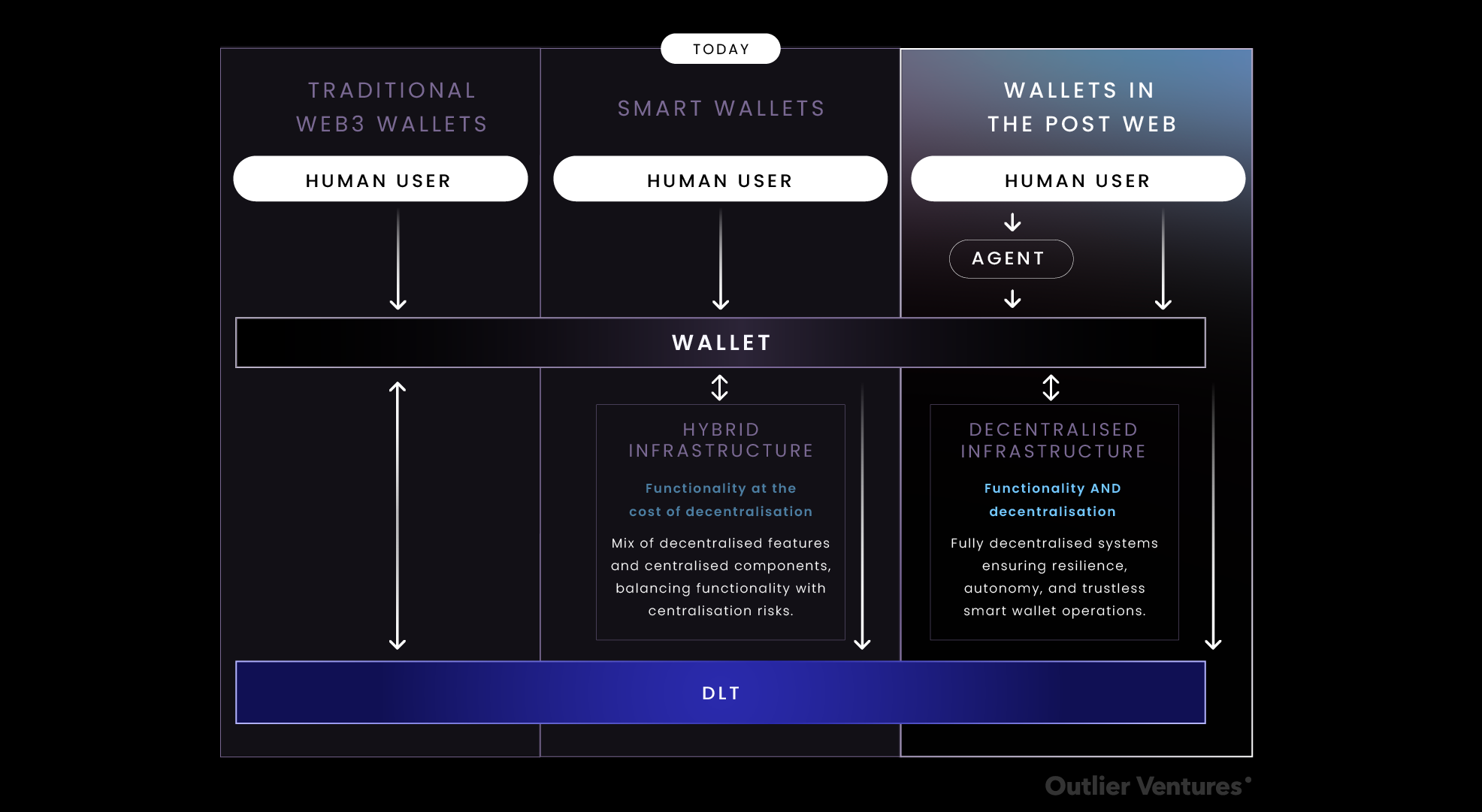
(Exhibit 19, p. 70 “The Wallet as the Post Web Interface”)
In the Post Web, the wallet orchestrates resources, not just assets.
It manages access to:
- Data streams: from personal vaults to shared datasets
- Computation: AI model access, GPU time, decentralised compute credits
- Agent permissions: defining which services agents can use
- Identity tokens: dictating roles, privileges, and constraints
This turns the wallet into an operating system for autonomy, mediating interactions across networks, protocols, and DePIN infrastructures.
A Command Center for Agents
Exhibit 20: The Relationship Between Wallets and Agents
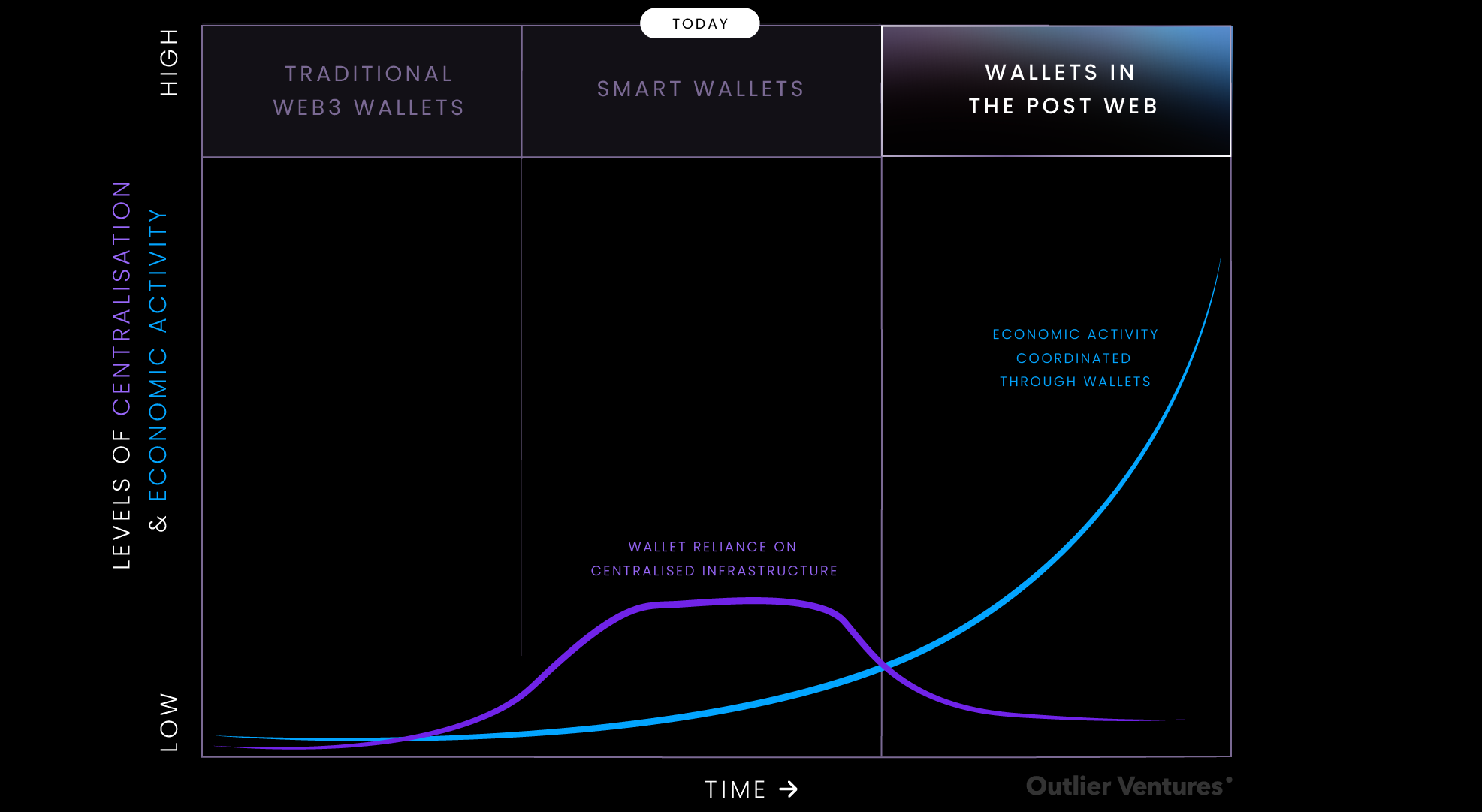
(Exhibit 20, p. 71 “The Relationship Between Wallets and Agents” a user’s wallet with permission and verification loops.)
As smart agents (Chapter 2 pp. 39–46) become integral to the Post Web, wallets transform into their command consoles.
Each agent connects through a user’s wallet, which:
- Sets boundaries and access permissions
- Signs transactions and verifies provenance
- Logs every action on-chain for transparency
This architecture ensures that agents act on behalf of users but not outside their control. The wallet thus becomes a governance layer for autonomy itself.
Privacy and Security in an Agentic World
(pp. 74–76 “Privacy-Preserving Wallet Architectures”)
With greater power comes greater vulnerability. As wallets store not only assets but also behavioural data, credentials, and agent connections, privacy becomes mission-critical.
Post Web wallets employ new cryptographic frameworks to maintain trust:
- Zero-Knowledge Proofs (ZKPs): Verify claims without revealing private data.
- Multi-Party Computation (MPC): Split key control across nodes to remove single points of failure.
- Trusted Execution Environments (TEEs): Secure sensitive operations in hardware-isolated spaces.
Together, they create privacy by design by keeping the user in control while enabling verifiable, autonomous operation.
Smart Wallets: Where We Are Today
Throughout much of crypto’s history, wallets have hindered a smooth user experience. With their cumbersome onboarding process, possibility of losing all of one’s funds by misplacing a seed phrase, and difficulty tracking assets across dozens of chains, wallets have been a bottleneck for mainstream adoption.
Fortunately, the new era of smart wallets has begun to take effect. Wallets like Safe are an example of a smart wallet that has improved the user experience and allowed users to automate their intents. Safe enables wallet customization through automation for recurring transactions, enhanced security like spending limits or whitelists, or integration with DeFi protocols.
As we shift from an era of manual execution to one defined by intention-based interaction, smart wallets are becoming the interface between humans and agents by bridging user intent with autonomous on-chain action.
Interoperability and Intent: The Wallet’s New Interface
As agents proliferate, the wallet becomes the interface for intent. Instead of manually signing each transaction, users (and agents) will simply express goals:
“Find the best yield strategy under 5% risk.”
“Vote on governance proposals aligned with sustainability.”
The wallet interprets, routes, and verifies those intents across protocols and networks.
This shift from task execution to intent negotiation is what marks the wallet’s final metamorphosis into an intelligent mediator between human purpose and machine execution.
Closing Thoughts: The Wallet Becomes You
The Post Web redefines what a wallet is. It’s no longer a cold storage tool but instead a living, adaptive interface for identity, assets, and autonomy.
Your wallet won’t just sign transactions. It will:
- Manage your data
- Direct your agents
- Safeguard your privacy
- Express your digital intent
In this sense, the wallet becomes the true manifestation of digital selfhood and the nexus of ownership, identity, and agency in the emerging agentic economy.
Credits & Source
Content derived from The Post Web Thesis; Chapter 2: “Turning the Web3 Tech Stack into the Post Web Stack”, Outlier Ventures (2025). Cited pages 67–76.
Special thanks to Andres Acevedo, Investment Manager at Outlier Ventures, for his thoughts on smart wallets.
Be one of the first to read our vision for the reimagined Internet. Sign up below to get early access to The Post Web Thesis, Chapter 3: “Zero to Many.” Coming soon.